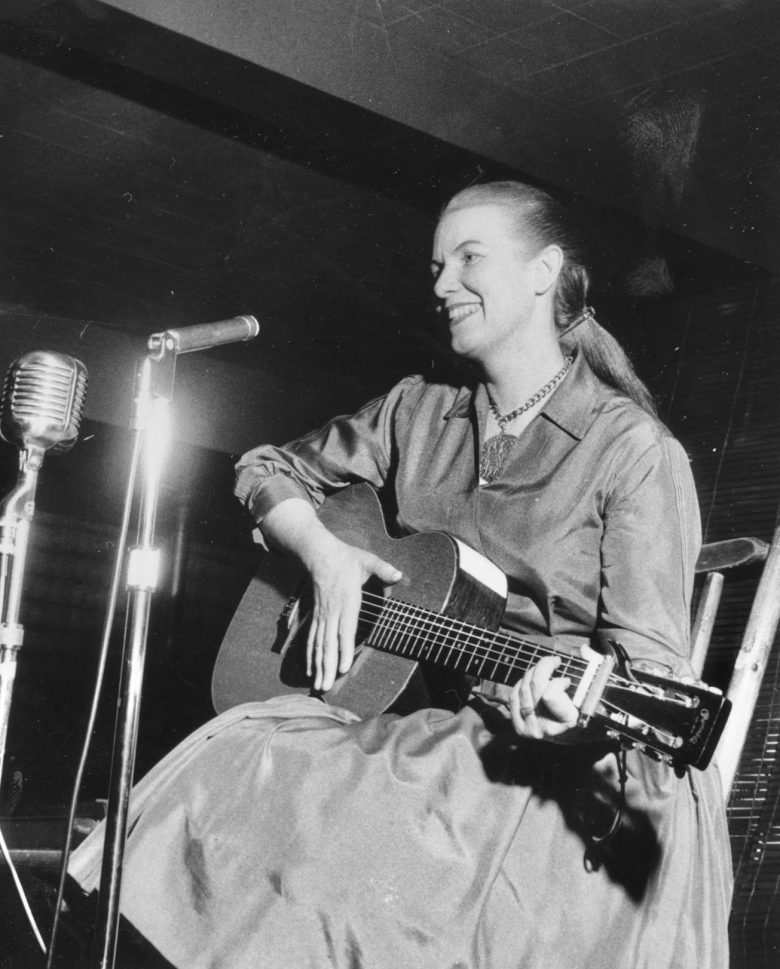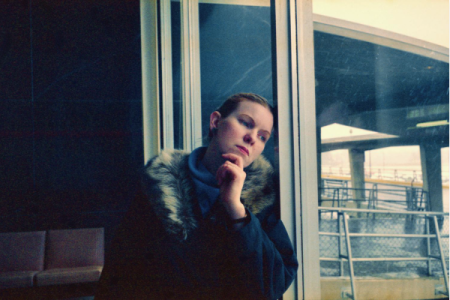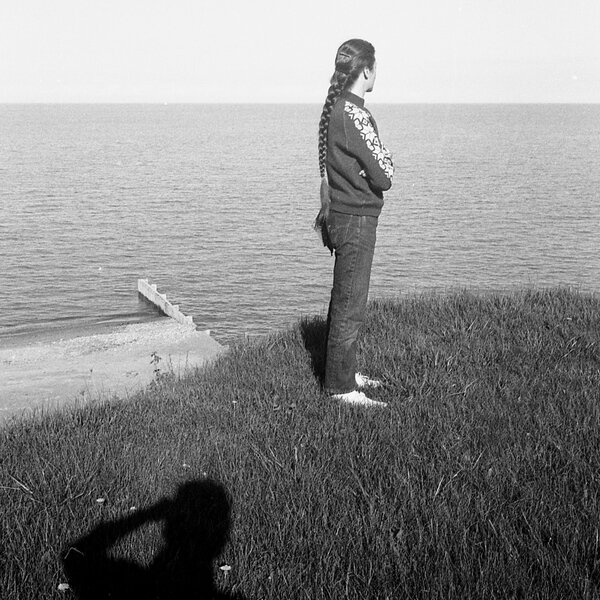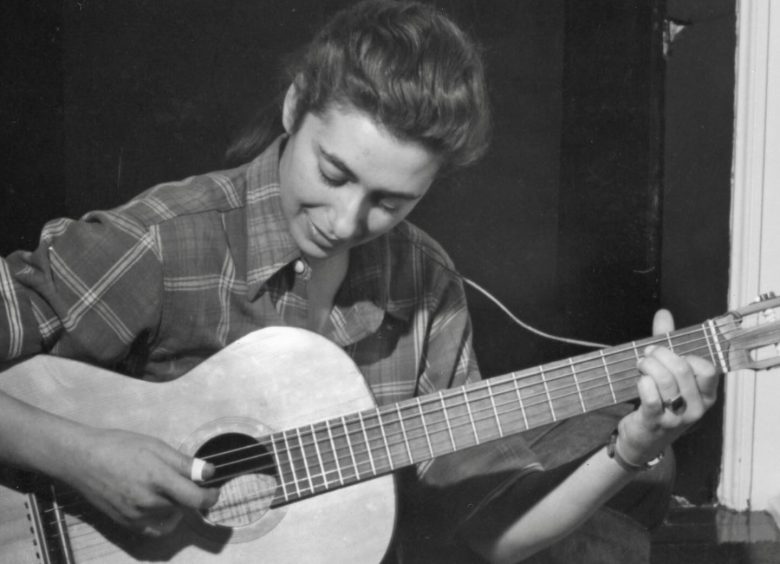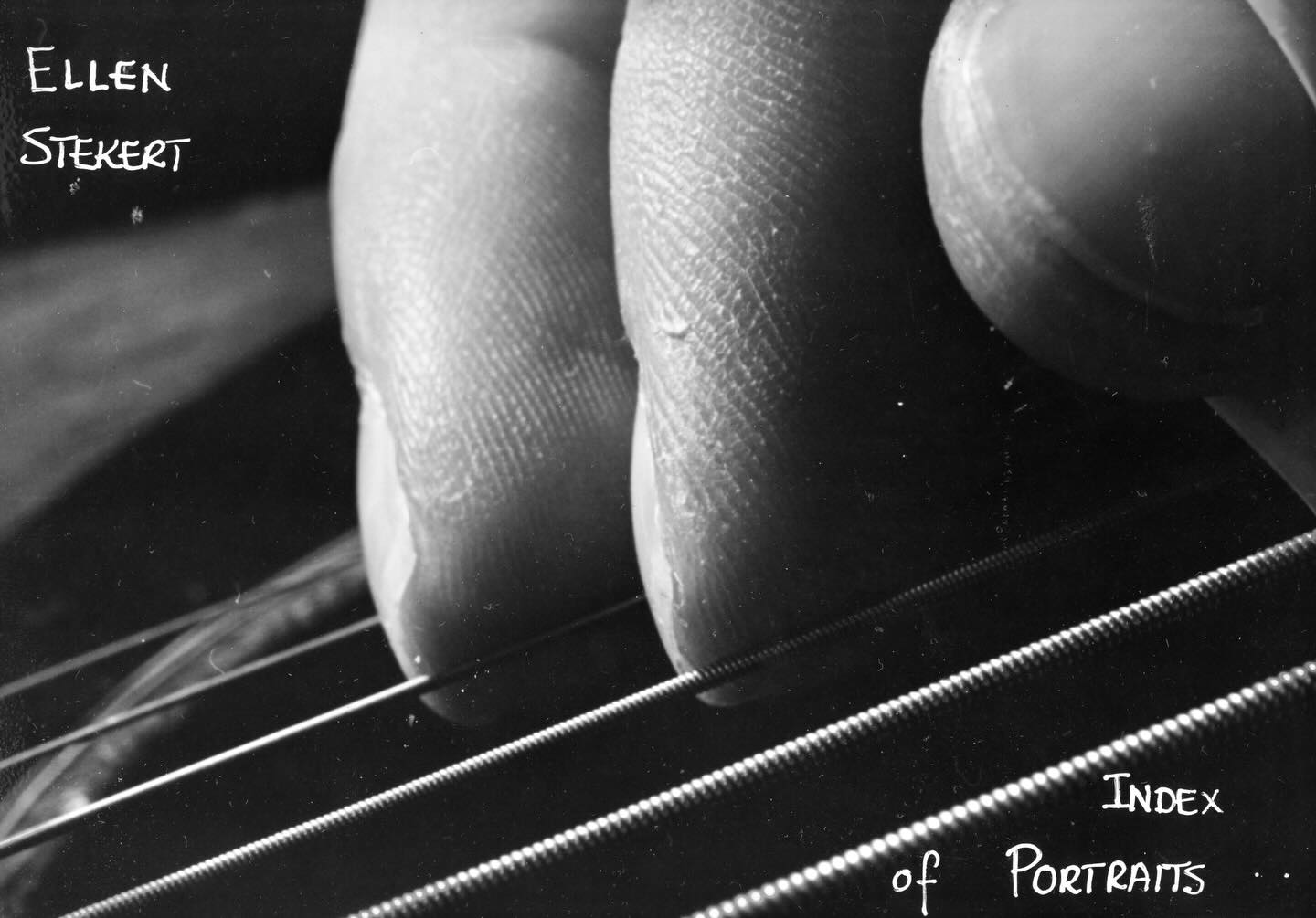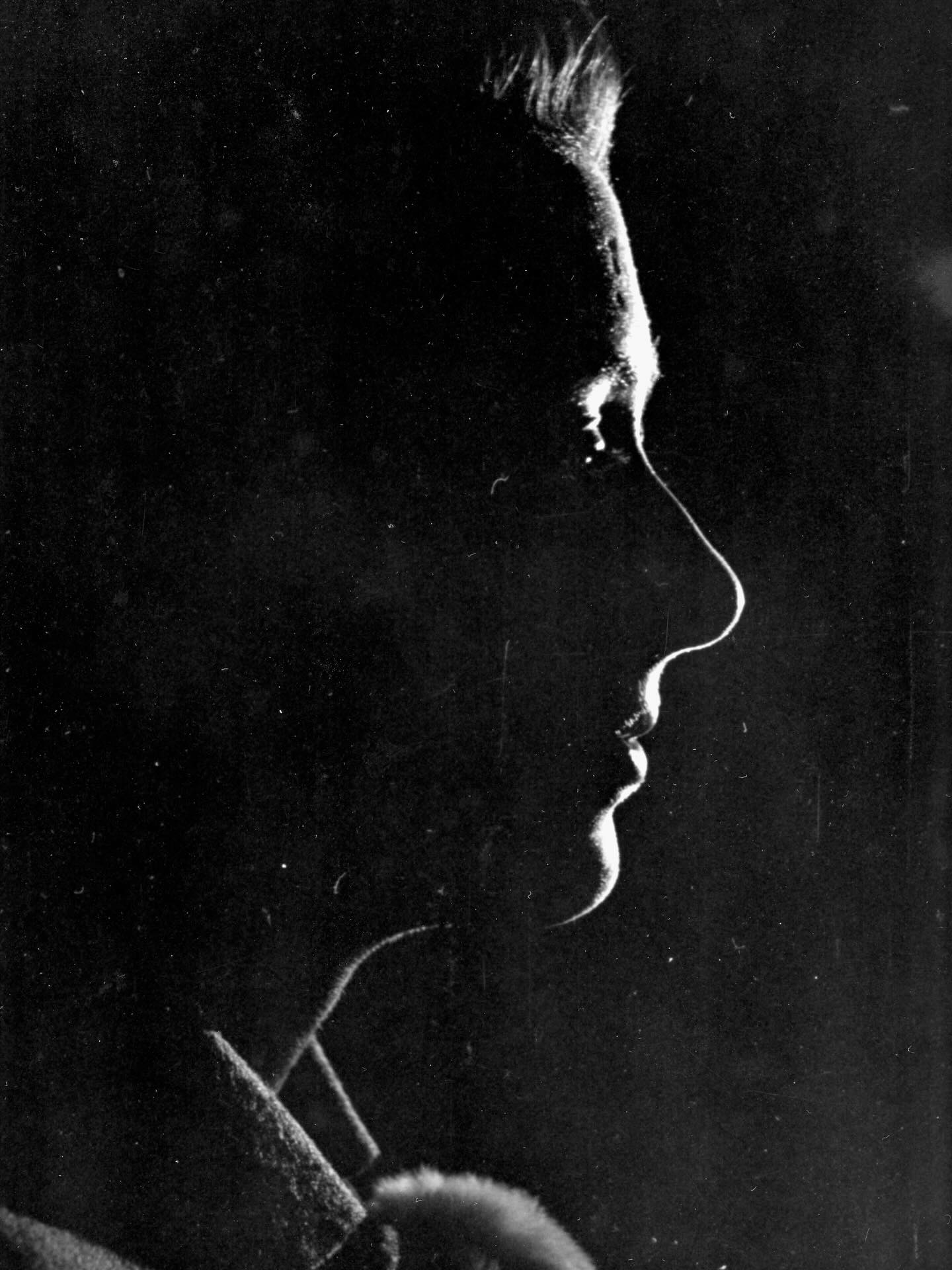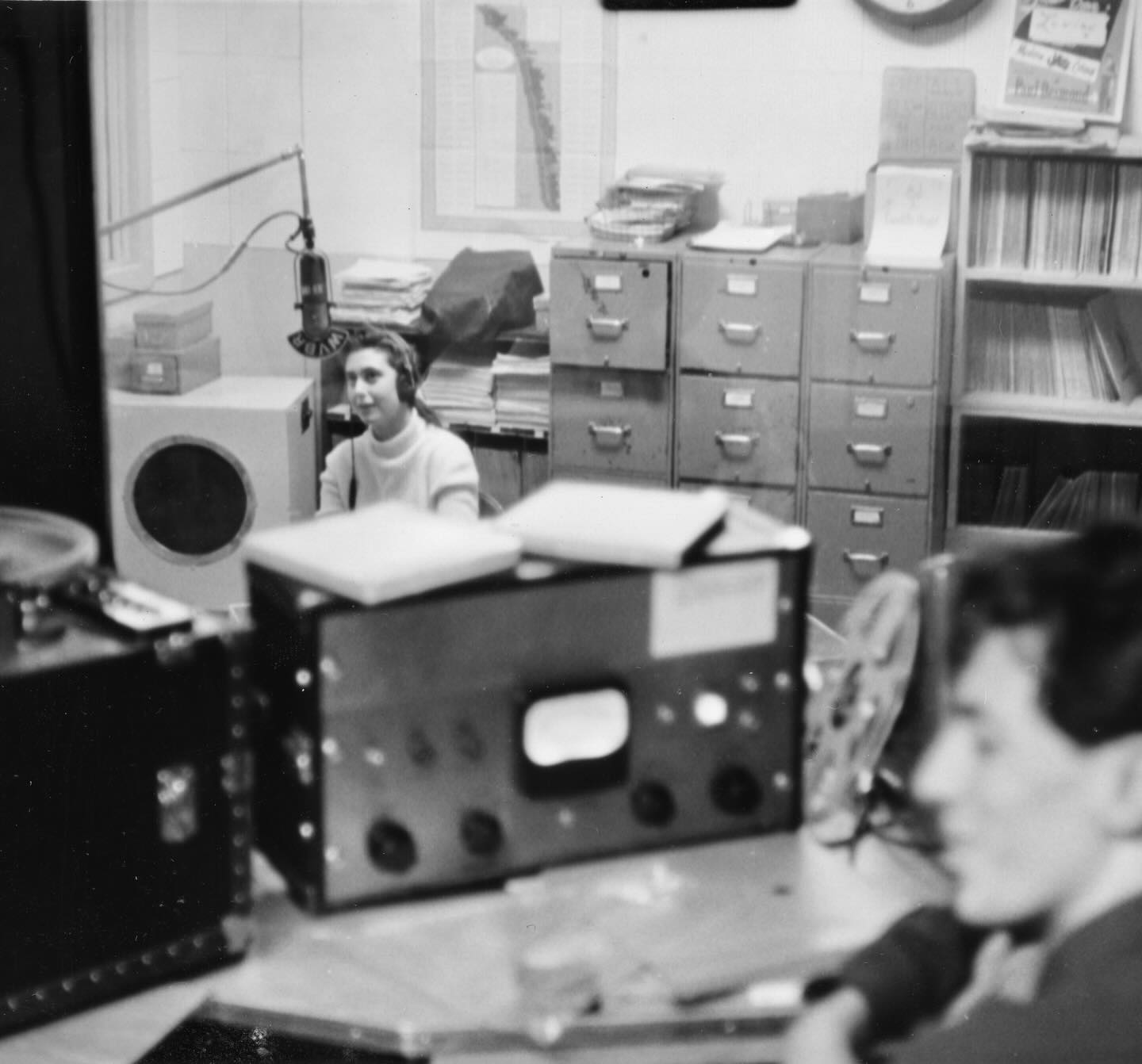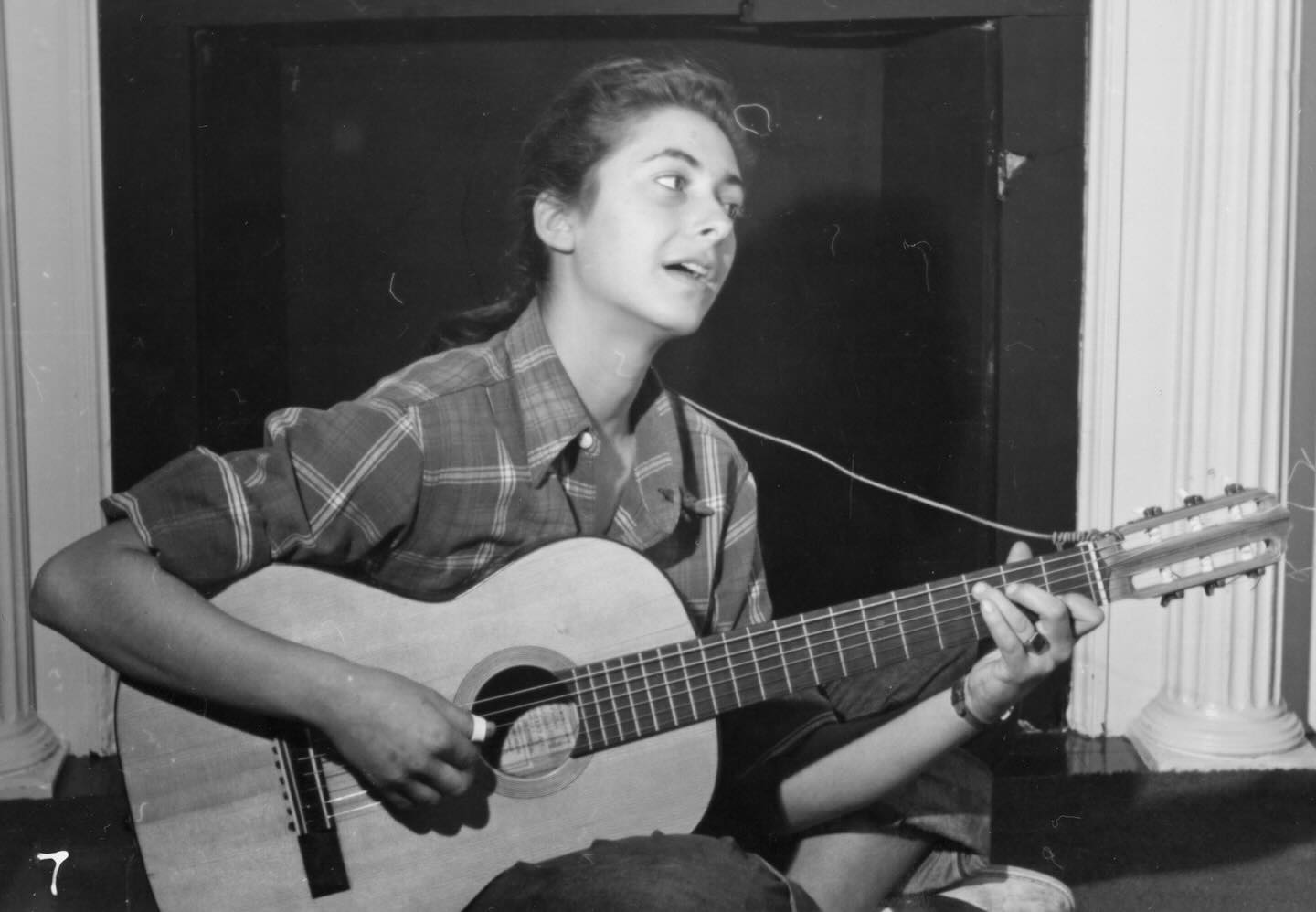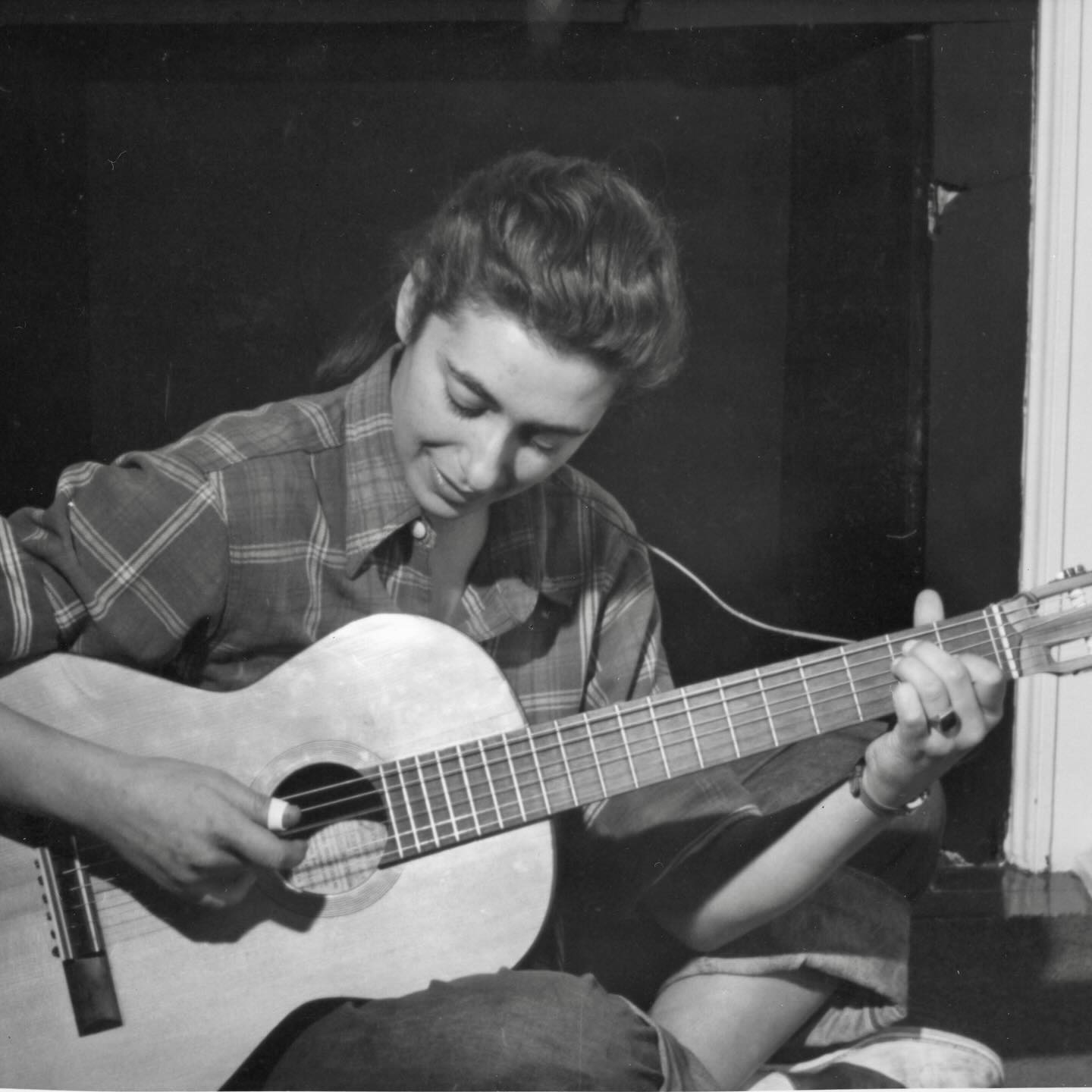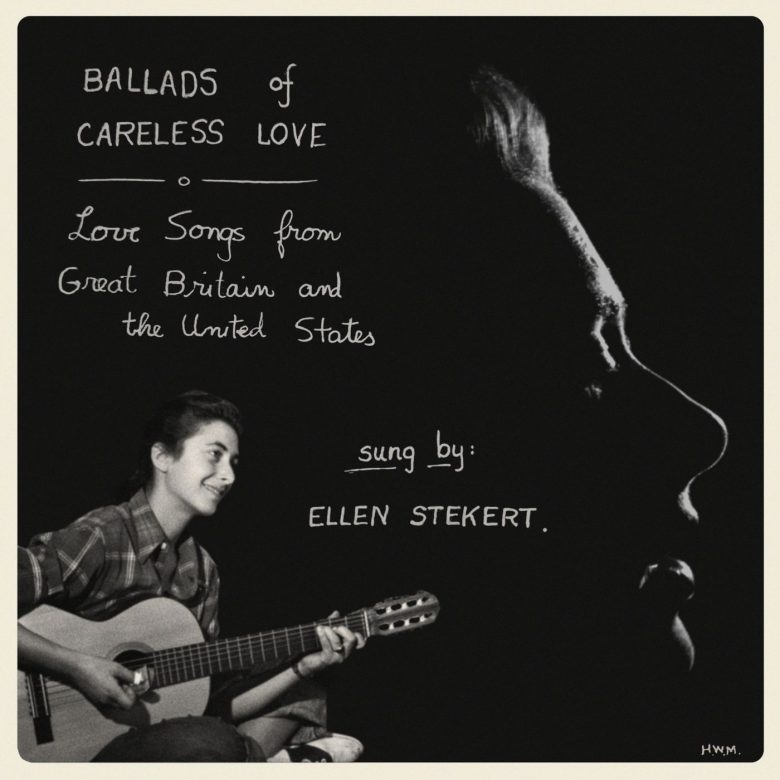
Ellen Stekert, 91-year-old folksinger and folklorist, releases a landmark collection of unreleased 1950s and ’60s recordings, celebrating the intersection of folk music and queer history.
Academic and Greenwich Village folk veteran Ellen Stekert announces the release of All My Friends: A Queer Folk Songbook. At 91 years old, Stekert is opening her archives to share a collection of previously unreleased recordings from the 1950s and 1960s, offering a rare, intimate look at the historical intersections of the American folk revival and LGBTQ+ identity. The album can be heard (and purchased) on Ellen’s Bandcamp page.
This collection of songs is a collaboration between Ellen, her producer Ross Wylde, and Anastasia Branas, an archivist and queer history enthusiast. The album is meant to re-contextualize traditional and revivalist songs through a distinctly queer lens. During mid-century America, singing love ballads directed at the same sex—even within the traditional folk framework—carried social and personal risks. All My Friends reclaims those performances, giving both singer and song complete ownership.
“Ellen and I met by chance online,” says producer Ross Wylde. “As a young queer folksinger, I was surprised to have so much in common with Ellen, who is a legendary folkie from the original Greenwich Village scene, but also a queer artist who sang the same songs 70 years apart, and related to them on similar levels. I think queer culture has had a unique influence on folk music over the last century, and vice versa. Folk music’s power lies in its unique emphasis on lyricism, and its natural ability for those lyrics to be constantly reinterpreted; folk music makes you feel like you belong, whoever you are.”
In the album’s liner notes, archivist Anastasia Branas highlights how the bohemian world of Greenwich Village housed both budding movements, even as scholarship historically kept them separate.
“Among the thirteen people arrested at the Stonewall Inn on June 28, 1969, was none other than the folk singer Dave Van Ronk,” writes Branas. “These two worlds both began to flourish in the 1950s and 1960s in Manhattan’s Greenwich Village, mere blocks or even doors away from each other… Ellen Stekert’s new archival album, All My Friends: A Queer Folk Songbook, allows us to explore this intersection for the first time.”
Reflecting on the nature of folk music and its power to bridge gaps across eras, Stekert adds: “Cultural understanding makes us wiser and heals us. A song, more specifically a folk song, allows us to speak, listen, and learn beyond our cultural limits. This is a listening opportunity to understand and appreciate the intricacies of being human—queerness and not—and the ways in which the archive can always provide insight into that.”